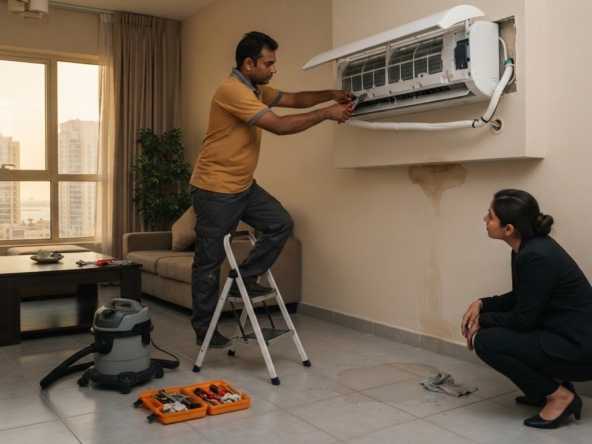
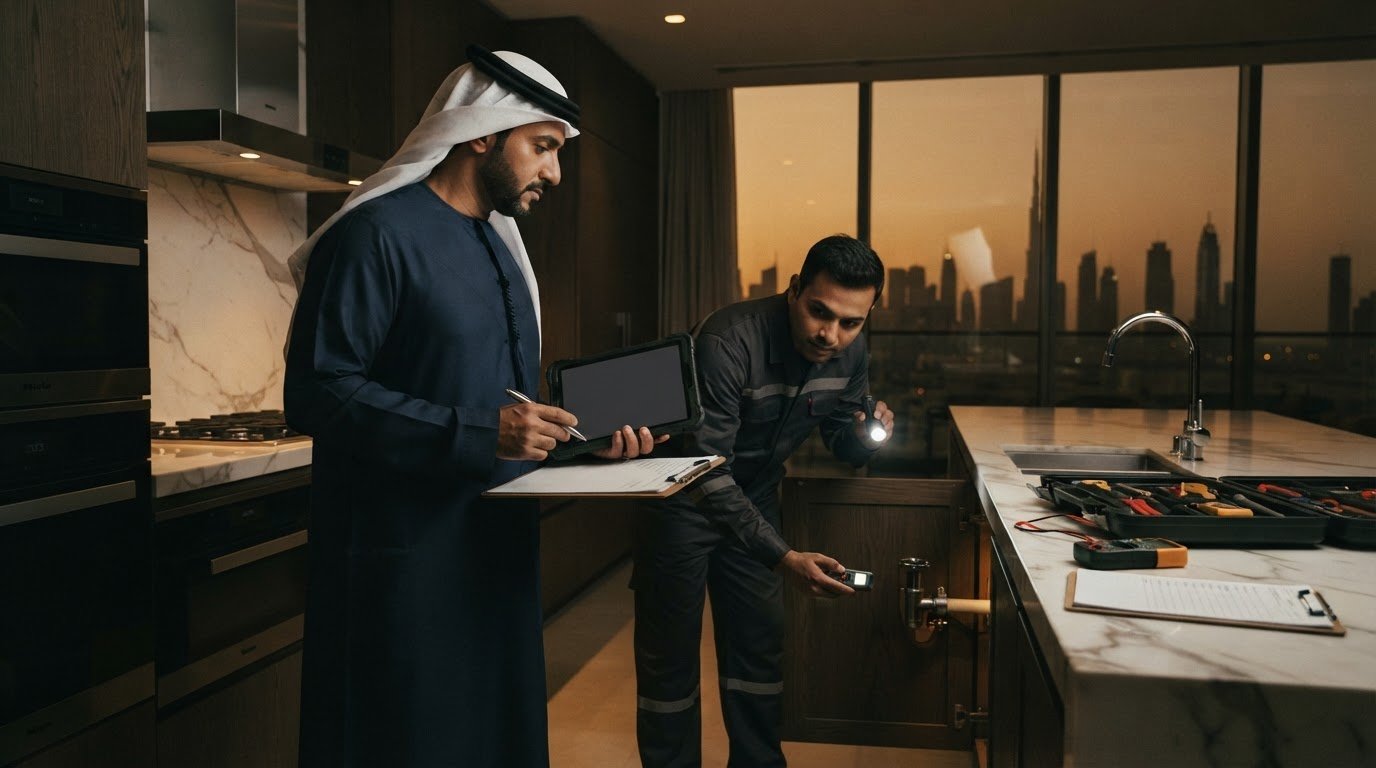
What matters in a maintenance issue is not only how quickly it is reported, but whether it is prioritised, followed through and properly recorded. For owners considering property maintenance supervision, that distinction matters. A visible defect may need prompt attention, while another repair can be scheduled. Without a consistent oversight process, it can be difficult to tell which issue comes first or whether completed work has resolved the problem.
Owners need more than a list of reported faults. They need a repeatable way to record property condition, set priorities, coordinate next steps and track outcomes. A useful record identifies the issue, its location and current status, along with any decision or action still outstanding. This makes follow-up clearer, particularly when several maintenance items arise over time.
This checklist explains what to monitor, how to distinguish urgent defects from planned work, and what to document from first observation through completion. It also shows how maintenance supervision fits into broader property oversight. Golden Bricks Real Estate’s property management brings maintenance supervision together with tenant relations and lease administration, supporting a considered approach to ongoing asset care. Owners can also explore this strategic guide to property management services in Dubai to understand how responsibilities and decision-making can be defined.
Key Takeaways
- Use a consistent process to observe maintenance needs, set priorities, coordinate action and review completion.
- Record each issue’s location, symptoms, date and supporting evidence to make follow-up easier.
- Set priorities by considering risk to people, potential property damage, service disruption and whether the issue may worsen.
- Plan routine reviews and add event-triggered checks when a tenant reports an issue, a visible change occurs or work is completed.
- Property management can bring maintenance supervision together with tenant relations and lease administration as part of ongoing ownership.
What property maintenance supervision means for owners
Property maintenance supervision gives owners a structured way to monitor a property’s condition, prioritise maintenance needs, coordinate action and review outcomes. It turns separate observations and requests into a traceable process, helping owners retain oversight without personally managing every practical detail.
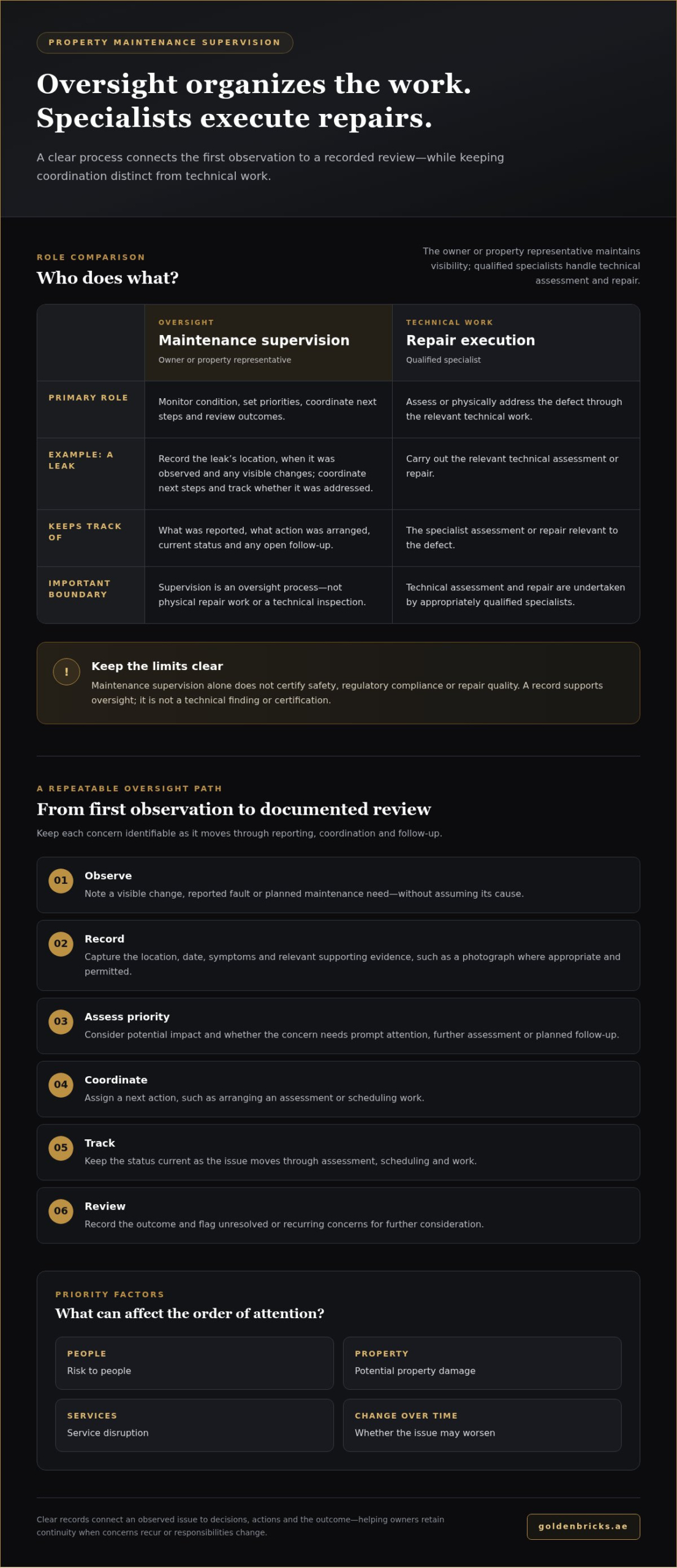
Maintenance supervision is the oversight of maintenance needs and their follow-through. It is not the physical execution of repairs or a substitute for technical inspection. The distinction matters in residential and commercial ownership. An owner or property representative can set priorities and track an issue, while qualified specialists undertake technical work and any formal inspection needed. Supervision alone does not certify safety, regulatory compliance or repair quality.
This owner-focused role sits within the wider context of property care. As Property management encompasses the operation, control, maintenance, and oversight of real estate and physical property. Maintenance supervision applies that broader remit to the practical oversight of reported issues, decisions and follow-up.
Maintenance supervision versus repair work
Supervision organises and follows work; repair execution involves diagnosing or physically addressing a defect. For example, an owner or property representative might record a leak’s location, when it was observed and any visible changes, then coordinate next steps and track whether the issue has been addressed. A qualified specialist carries out the relevant technical assessment or repair. Keeping these roles distinct helps owners maintain visibility without confusing administration with technical expertise.
Why a consistent oversight process matters
A consistent process makes it easier to see what has been reported, what action has been arranged and what remains open. Without a record, updates can become difficult to reconcile, especially when responsibilities involve tenants, representatives or several decision-makers. A concise, current record provides continuity when people change or a concern returns.
For useful follow-up, record the date an issue was observed, its location, a description of the symptoms, any supporting evidence, decisions made and the status of subsequent action. Over time, these details can reveal patterns, such as repeat reports in the same area or a concern returning after earlier work. A pattern does not establish the cause, but it can help owners decide what needs further review.
For owners searching for property maintenance supervision dubai, the principle is the same: treat each issue as part of an asset’s ongoing care, not as an isolated entry to close. A clear history helps owners understand how a property’s condition changes and make more considered maintenance decisions across residential and commercial holdings.
How maintenance supervision moves from observation to verified work
A dependable oversight process gives each maintenance concern a clear path from first observation to a documented review. The sequence is straightforward: observe, record, assess priority, coordinate, track and review. Each stage preserves context, so an owner can see what was reported, what decision followed and whether further attention may be needed.
- Observe: Note a visible change, reported fault or planned maintenance need without assuming its cause.
- Record: Capture the location, date, symptoms and relevant supporting evidence, such as a photograph where appropriate and permitted.
- Assess priority: Consider the potential impact and whether the concern needs prompt attention, further assessment or planned follow-up.
- Coordinate: Assign a next action, such as arranging an assessment or scheduling work.
- Track: Keep the status current as the issue moves through assessment, scheduling and work.
- Review: Record the outcome and flag any unresolved or recurring concern for further consideration.
A work order, maintenance log or equivalent record can connect the original observation to the action and its status. It need not be complicated. The key is continuity: the issue should remain identifiable as it moves from reporting to coordination and review. For owners considering property maintenance supervision dubai, this structure can make follow-up clearer across properties and decision-makers.
Recording condition observations clearly
Describe what you can observe, not what you assume caused it. For example, record that a ceiling stain has appeared in a named room rather than attributing it to a pipe before assessment. Add the date, precise location, symptoms and relevant photographs where appropriate and permitted. Note whether the observation is new, recurring or previously addressed, so the history can inform the next decision.
A maintenance record is the audit trail connecting an observed issue to the decisions, actions and recorded outcome that follow. It is an administrative record, not a technical finding or certification. Clear documentation supports consistent oversight while leaving diagnosis and specialist assessments to the appropriate professionals. For broader context on facilities practice, the International Facility Management Association (IFMA) is a professional membership organization for facility management professionals.
Tracking work through completion
Use clear status stages such as reported, assessed, scheduled, underway and completed. Completion notes can record the date, the action reported as completed and any follow-up still outstanding. If the concern remains unresolved or returns, reopen it for fresh assessment instead of treating an earlier visit as automatic closure. This keeps the record accurate.
Supervision is strongest when each open item has a next step and each completed item has a recorded outcome. Owners who want to integrate this coordination with wider property oversight can use property management that includes maintenance supervision, alongside tenant relations and lease administration.
How to prioritise preventive, corrective, and urgent maintenance
Not every maintenance item calls for the same response. A useful framework separates planned prevention from repairs prompted by a known defect and issues that may need immediate attention. The aim is not to diagnose technical severity from an observation alone. It is to consider possible consequences, record why an item has been prioritised and arrange suitable assessment or action.
- Preventive maintenance: Planned checks or upkeep intended to identify deterioration before it develops into a disruptive failure. Visible wear, drainage concerns and the condition of shared areas can prompt review or planned attention.
- Corrective maintenance: Work considered after a defect or fault has been identified. A repair request may be important without being urgent, depending on its effects and whether the condition is changing.
- Urgent maintenance: An issue that appears to present a potential safety risk, active damage or significant service interruption. Escalate the observation for appropriate assessment rather than leaving it in a routine queue.
To distinguish priorities, consider four factors: risk to people, potential for further property damage, disruption to essential services and the likelihood that the issue will progress if left unresolved. A small damp mark with no visible change may warrant monitoring or assessment. Active water ingress near electrical equipment presents a different concern and should be raised promptly for qualified evaluation. These examples guide triage, not technical diagnosis.
Preventive maintenance and recurring checks
Preventive checks aim to identify deterioration before it becomes disruptive. Owners might note visible wear, water pooling or slow drainage, and changes in the condition of common areas. The appropriate schedule depends on the asset, its use and observed condition, alongside relevant specialist guidance. A fixed interval will not suit every property or system; records can help show when a condition merits closer attention.
For property maintenance supervision dubai, a consistent approach means reviewing a property’s specific needs rather than treating every asset as identical. Record what was observed and whether it has changed since the previous review. If a concern recurs, its history can inform the next assessment and help owners decide whether the planned approach remains appropriate.
Corrective and urgent maintenance decisions
A repair request describes a reported need; it does not, by itself, establish urgency. Compare its likely consequences against the factors above. A loose cabinet handle may be logged for corrective work, while a reported electrical burning smell or rapidly spreading leak warrants prompt attention because of potential risk or active damage. Where technical judgment is needed, qualified assessment should determine the severity and response.
Document the reason for the assigned priority, the next assessment or action, and any decision still outstanding. If new information emerges or the condition worsens, reassess instead of relying on the original classification. This keeps the owner’s reasoning visible and allows priorities to reflect the property’s actual condition.
Property maintenance supervision checklist for owners
A practical checklist brings property observations, decisions and follow-up into one repeatable review. Distinguish routine checks from event-triggered reviews, such as after a tenant report, a visible change or completed maintenance work. The aim is not to replace technical assessment, but to give owners a clear view of condition, outstanding decisions and responsibilities.
Use these categories to structure a property record:
- Condition: Note visible changes in the property and relevant observations carried forward from earlier reviews.
- Open issues: Track reported concerns, their current status, the next action and any decision still outstanding.
- Planned work: Record scheduled maintenance, its purpose and any owner approval or decision required.
- Access: Note arrangements, dependencies or coordination that may affect when planned work can proceed.
- Completion records: Retain the completion date, a brief description of the work and relevant supporting documentation or follow-up notes.
For property maintenance supervision dubai, a checklist is most useful when it reflects the property and its ownership arrangements rather than serving as a generic form. A consistent record supports continuity between reviews and keeps responsibilities visible, particularly when several parties are involved.
At each routine property review
Start with reported defects and visible condition notes, then revisit items carried forward from previous reviews. Check whether scheduled maintenance remains planned and whether access arrangements or owner decisions are outstanding. Note patterns, such as a concern recurring in the same area or several observations pointing to a broader issue. These patterns may warrant specialist assessment, but the checklist should record observations rather than assert a cause.
Event-triggered checks complement routine reviews. Add a new report, visible change or returning concern to the record when it arises, with its date and current status. This avoids waiting for the next scheduled review to acknowledge a developing issue and helps distinguish new information from older notes.
Owners can use a property management framework for landlords to place maintenance oversight within broader ownership responsibilities, while keeping the property-specific checklist focused on condition, actions and decisions.
When a maintenance task is closed
Before closing an item, record the completion date, a concise description of the work reported as completed and any relevant supporting documentation. Add a follow-up recommendation or note if the issue should be observed again. Closure records document the task’s status; they should not be presented as technical certification or proof of compliance.
If the same issue appears again, retain the earlier record and mark the concern for renewed assessment rather than treating it as wholly separate. Organised maintenance history can support broader asset oversight and inform investment context alongside real estate market intelligence, where relevant. For owners seeking to integrate maintenance supervision with tenant relations and lease administration, explore Golden Bricks property management.
How professional maintenance supervision fits into property ownership
Once an owner has a consistent checklist and a way to prioritise issues, the next decision is who will coordinate the process. Some owners prefer to oversee each step directly, from reviewing maintenance needs to tracking progress and recording decisions. Others may prefer to integrate this oversight into property management, particularly when it sits alongside ongoing tenancy administration.
There is no single arrangement suited to every property. The decision depends on the owner’s availability, the number of open maintenance matters, the complexity of coordinating access and work, and the level of involvement required in tenant communication and lease administration. In either case, the objective is to maintain visibility over the property’s condition and make decisions with a clear record of what has been addressed and what remains outstanding. Owners weighing rental strategies may also find this short-term vs long-term rental in Dubai ROI guide useful when considering lease terms and ownership priorities.
When integrated oversight may be useful
Integrated oversight can be useful when an owner has limited time to follow several open issues, manages more than one property or is balancing maintenance coordination with tenancy administration. It can also provide a more coherent view when an issue involves property handover and tenant placement in Dubai, access arrangements and a decision that needs to be retained for future reference.
These are practical considerations, not a presumption that every owner needs a managed service. An owner with a manageable number of issues and sufficient time may continue coordinating directly. What matters is that responsibility for follow-up is clear and unresolved items do not disappear from view. Maintenance records then contribute to broader stewardship by helping owners understand property condition over time.
A measured next step for property owners
Before deciding how to proceed, organise current maintenance records, identify open issues and note any approvals or decisions still required. This gives the owner a useful starting point for evaluating whether direct coordination remains practical or whether greater integration would support ongoing oversight. A concise, current record is more valuable than a large collection of updates without clear status or ownership.
Golden Bricks Real Estate’s property management includes maintenance supervision, tenant relations and lease administration. These functions bring maintenance oversight into the wider context of managing a property, without confusing supervision with the physical execution of repairs or specialist assessment. For owners considering property maintenance supervision dubai, the choice is between coordinating each responsibility directly and placing oversight within a broader property-management relationship. A guide to property management services in Dubai can help owners assess management scope, accountability and fit with their priorities.
If you are reviewing how maintenance oversight fits your ownership priorities, explore Golden Bricks property services and take the next step towards a clearer approach to property care.
Make maintenance oversight part of your ownership strategy
Decide how maintenance oversight should fit your ownership priorities. A clear approach helps preserve continuity as responsibilities, occupancy and property needs evolve. For owners considering property maintenance supervision dubai, the key choice is whether to coordinate each responsibility personally or place oversight within a broader property-management relationship. The right structure keeps decisions visible and supports informed stewardship over time.
Golden Bricks Real Estate brings more than 25 years of global industry experience to its property management, which includes maintenance supervision, tenant relations and lease administration. These connected disciplines support a considered view of ownership while keeping supervision distinct from the execution of repairs. To discuss how this support can align with your property priorities, explore Golden Bricks property management services.
Frequently Asked Questions
What is property maintenance supervision?
Property maintenance supervision is the owner-side oversight of maintenance needs, decisions and follow-up, rather than the hands-on repair itself. It helps keep responsibility clear when a concern moves between an occupant, owner and specialist. For example, an owner can record a recurring door fault, decide whether further assessment is needed and retain the resulting update. Technical diagnosis and repair remain separate tasks.
Is property maintenance supervision different from property management?
Yes. Maintenance supervision focuses on organising and following maintenance matters, while property management can cover a wider range of ownership responsibilities. At Golden Bricks Real Estate, property management includes maintenance supervision, tenant relations and lease administration. An owner may coordinate maintenance independently or integrate that oversight with other property responsibilities. The appropriate arrangement depends on the owner’s needs and desired level of involvement.
Can maintenance supervision help identify recurring property issues?
Yes. A consistent history makes repeat reports easier to recognise, particularly when they concern the same room, fixture or building system. For instance, separate reports of dampness in one area may be easier to assess together than as unrelated entries. Recurrence does not establish the cause, but gives an owner useful context to share during a fresh assessment and helps avoid overlooking earlier observations.
How often should a property owner review maintenance records?
There is no single review frequency suitable for every property. Owners can set a routine that matches the asset, its use and the volume of open maintenance matters, then review records sooner when a significant change or new report arises. A practical review checks whether an item remains open, whether a decision is pending and whether an older concern has returned. Keep the schedule consistent and appropriate to the property.
What should a property maintenance report include?
A useful report should identify the property and issue, state when it was observed, describe the symptoms and note the current status. It can also include relevant photographs, actions taken, outstanding decisions and any follow-up recommendation. For property maintenance supervision dubai, clarity matters more than elaborate formatting: a reader should be able to distinguish direct observations from assumptions and understand what remains unresolved.
What happens if a tenant reports a maintenance issue outside routine review?
Log a new report when it is received rather than holding it for the next routine review. Record the tenant’s description, location and date, then consider whether there may be a safety concern, active damage or disruption that warrants prompt attention. Where technical severity is uncertain, arrange appropriate assessment. Update the record as decisions are made so the report remains visible alongside existing maintenance matters.
How much detail should an owner receive about completed maintenance work?
Enough to understand what was reported as completed, when it occurred and whether anything remains outstanding. A concise update might identify the affected area, describe the work in general terms and include relevant supporting documentation or a recommendation for follow-up. If the original concern persists or returns, the record should say so and indicate that further assessment is needed. Completion notes are not technical certification unless issued through an appropriate process.